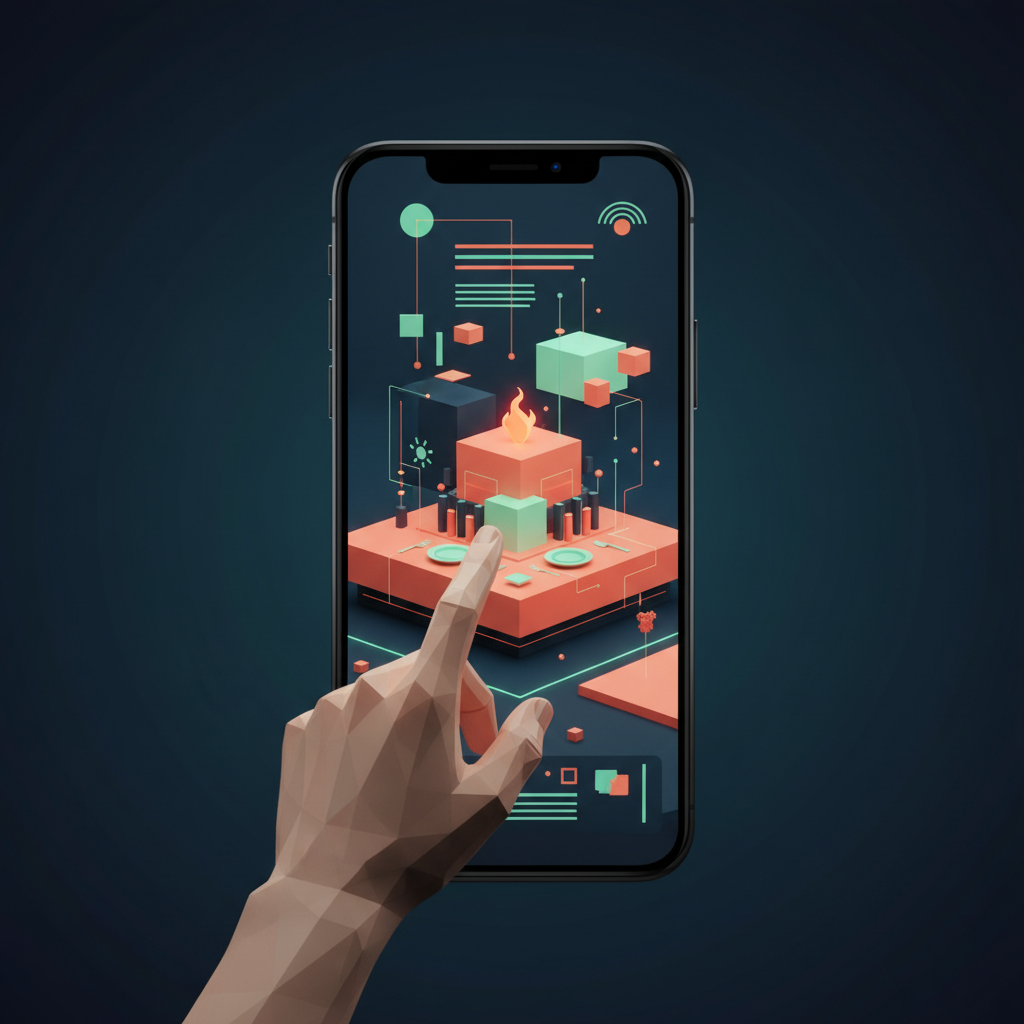
Beyond the Menu: Crafting the Future-Proof Restaurant App for 2026
The conversation around restaurant app development trends is shifting dramatically. For years, a mobile app was a digital extension of the physical menu—a convenient tool for browsing and ordering. But as we look toward 2026, that model is becoming obsolete. The future-proof restaurant app is not merely a transaction portal; it is the central nervous system of the entire dining ecosystem. It’s an intelligent partner for the customer, an efficiency engine for the kitchen, and the primary driver of brand loyalty. Restaurants that continue to view their app as just a digital menu will be left behind by competitors who understand its true potential: to create deeply personalized, seamless, and data-driven experiences that extend far beyond the checkout screen.
The New Core: Hyper-Personalization Powered by AI
Generic recommendations and one-size-fits-all promotions are losing their flavor. By 2026, the standard for a great app experience will be hyper-personalization, driven by sophisticated AI and machine learning models. This is about making every user feel like the app was designed specifically for them.
Predictive Ordering and Smart Suggestions
Imagine an app that doesn’t just remember your last order but anticipates your next one. By analyzing historical data, time of day, day of the week, and even external factors like weather, an AI-powered app can make uncannily accurate suggestions. For example:
- On a cold, rainy Friday, the app might prompt: “It’s a cozy night in. How about your favorite Spicy Ramen, ready in 25 minutes?”
- If a user frequently orders vegetarian dishes on Mondays, the app can proactively highlight a new plant-based special at the top of their feed.
This transforms the ordering process from a chore into a curated experience, significantly increasing order frequency and customer satisfaction.
Dynamic and Individualized Promotions
Blanket “10% off” discounts are inefficient. A smarter restaurant mobile app strategy involves using AI to deliver the right offer to the right person at the right time. The system can identify a loyal customer who hasn’t ordered in 30 days and automatically send a personalized “We miss you!” offer on their favorite dish. Conversely, it can nudge a frequent low-spender to try a premium item with a small, targeted discount, increasing their average order value over time.
Integrating the Smart Kitchen: AI and IoT for Operational Supremacy
The most successful future food tech apps won’t just serve the customer; they will revolutionize the back-of-house. The app becomes the interface between customer demand and kitchen operations, creating a seamless flow of information that boosts efficiency and cuts waste.
Real-Time Inventory and Menu Management
Internet of Things (IoT) sensors in refrigerators and storerooms can communicate directly with the app’s backend. When the supply of fresh avocados drops below a set threshold, the system can automatically:
- Temporarily remove guacamole from the in-app menu to prevent disappointing customers.
- Alert the kitchen manager that it’s time to reorder.
- Analyze sales data to see if another avocado-based dish is less popular and could be paused first.
This eliminates the manual, error-prone process of “86-ing” items and ensures the digital menu is always 100% accurate.
Optimized Kitchen Display Systems (KDS)
When an order is placed through the app, it’s not just a simple ticket. The system can intelligently route preparation tasks to different stations based on current load and complexity. A complex burger and a simple side of fries are broken down and timed so they are both finished at the exact same moment, ensuring every meal is served hot and fresh. This level of optimization drastically reduces ticket times and improves order accuracy.
Beyond the Transaction: Building Immersive Brand Experiences
To capture and retain customers in a crowded market, your app must be more than a utility. It needs to be an engaging extension of your brand’s atmosphere and values. The goal is to create memorable interactions that foster a genuine connection.
Augmented Reality (AR) Menus and Previews
One of the most exciting food delivery app features on the horizon is the widespread use of AR. Imagine a customer pointing their phone’s camera at their dining table and seeing a photorealistic, life-sized 3D model of a steak or a decadent dessert appear. This technology does more than just “wow” users; it helps manage expectations, encourages them to try new, visually appealing dishes, and can significantly increase upselling opportunities.
Gamified Loyalty That Drives Behavior
The era of the digital punch card is over. Future loyalty programs will be built around gamification—using challenges, badges, and social leaderboards to encourage repeat business. A well-designed system might include:
- Challenges: “Try all three of our new seasonal burgers this month to unlock a secret menu item.”
- Status Tiers: Progress from “Regular” to “VIP” status by earning points, unlocking perks like priority delivery or exclusive access to new dishes.
- Social Sharing Rewards: Offer points when users share their orders or achievements on social media, turning customers into brand ambassadors.
The Conversational Interface: Voice AI and Intelligent Chatbots
The way users interact with technology is becoming more natural and conversational. To build a restaurant app for 2026 means embracing voice commands and AI-driven chat, making it easier than ever for customers to get what they want.
Frictionless Voice-Enabled Ordering
Integration with platforms like Google Assistant, Amazon Alexa, and Apple’s Siri will become standard. Customers will be able to place complex orders without ever touching their screen. A simple command like, “Hey Siri, tell The Corner Bistro to order my usual pizza but add mushrooms this time,” will be all that’s needed. This is especially powerful for re-ordering and for users who are driving or multitasking.
24/7 Customer Support with AI Chatbots
Intelligent chatbots can handle the vast majority of routine customer inquiries instantly. Questions about opening hours, delivery zones, allergen information, or the status of an order can be answered by a bot, freeing up human staff to handle more complex issues. This not only improves efficiency but also provides the instant gratification that modern consumers expect.
Sustainability and Transparency: Serving the Conscious Consumer
Diners in 2026 will be more informed and socially conscious than ever before. They want to know where their food comes from and support businesses that align with their values. Your app is the perfect platform to communicate your commitment to sustainability and transparency.
Farm-to-Table Traceability
Using technologies like blockchain, an app can provide a transparent view of the supply chain. A user could tap on the “Organic Chicken” in their salad description and see information about the local farm it came from, including certifications and farming practices. This builds immense trust and caters to a growing market segment.
Eco-Friendly Nudges and Options
The app can be designed to encourage sustainable choices. This includes features like:
- An easy toggle to opt-out of disposable cutlery and napkins.
- Highlighting plant-based or low-carbon-footprint dishes with a special icon.
- Offering a small loyalty point bonus for choosing a vegetarian meal or ordering in reusable containers (where applicable).
Fortifying the Digital Restaurant: Advanced Security and Data Privacy
As restaurant apps collect more personal data—from dietary preferences to payment information—security becomes paramount. A single data breach can irreparably damage a restaurant’s reputation and trust with its customers. A forward-thinking development strategy must prioritize security from day one.
Protecting Financial and Personal Data
Adherence to standards like PCI DSS for payment processing is non-negotiable. But future-proof security goes further. It involves end-to-end encryption for all data transmission, tokenization of payment details so raw card numbers are never stored, and robust access controls on the backend. It also means being transparent with users about what data is collected and how it’s used, in compliance with regulations like GDPR and CCPA.
AI-Powered Fraud Prevention
AI can also be a powerful ally in the fight against fraud. Machine learning models can be trained to recognize unusual ordering patterns, such as multiple large orders from a new account to different addresses, and flag them for manual review. This proactive approach helps prevent costly chargebacks and protects both the business and legitimate customers.
Frequently Asked Questions (FAQ)
How much will it cost to build a restaurant app with 2026-ready features?
The cost varies widely based on complexity. A simple ordering app might start in the tens of thousands, but integrating advanced features like a custom AI personalization engine, AR menus, and IoT kitchen systems will place the investment significantly higher. It’s best to think of it as building a core business asset, not just a marketing tool. A phased approach, starting with a strong foundation and adding advanced features over time, is a viable strategy.
What is the single most important feature for a new restaurant app?
While it depends on the specific restaurant concept, a powerful AI-driven personalization engine offers the highest long-term ROI. It directly impacts customer loyalty, order frequency, and average ticket size. Getting the personalization right creates a “sticky” experience that competitors using generic platforms can’t replicate.
Should I build a custom app or use a white-label service?
White-label solutions are faster and cheaper to launch but offer limited customization and control over your data and customer experience. To truly differentiate your brand and implement the advanced restaurant app development trends discussed here, a custom build is necessary. It’s a strategic investment in owning your technology stack and customer relationships for the future.
How does AI actually help with restaurant operations?
AI streamlines operations in multiple ways. It predicts demand to optimize staff scheduling and food purchasing, reducing waste. It manages inventory in real-time to prevent stockouts. It optimizes order flow in the kitchen to decrease wait times and improve accuracy. Essentially, it uses data to make every part of the restaurant run more efficiently and profitably.
Conclusion: Your Restaurant’s Digital Future Starts Now
The restaurant mobile app of 2026 will be an intelligent, integrated, and indispensable part of the dining experience. It will move far beyond a simple menu, acting as a personal concierge for guests and a master coordinator for the kitchen. By focusing on a restaurant mobile app strategy that embraces AI-powered personalization, operational integration, immersive experiences, and robust security, you can build more than just an app—you can build a resilient, future-proof business.
Crafting this next generation of restaurant technology requires deep expertise in mobile development, user experience, and emerging technologies. If you’re ready to build an app that will not only compete but lead the market in 2026 and beyond, the team at KleverOwl is here to help. Let’s discuss how our expertise in mobile development, intuitive UI/UX design, and powerful AI and automation solutions can bring your vision to life.